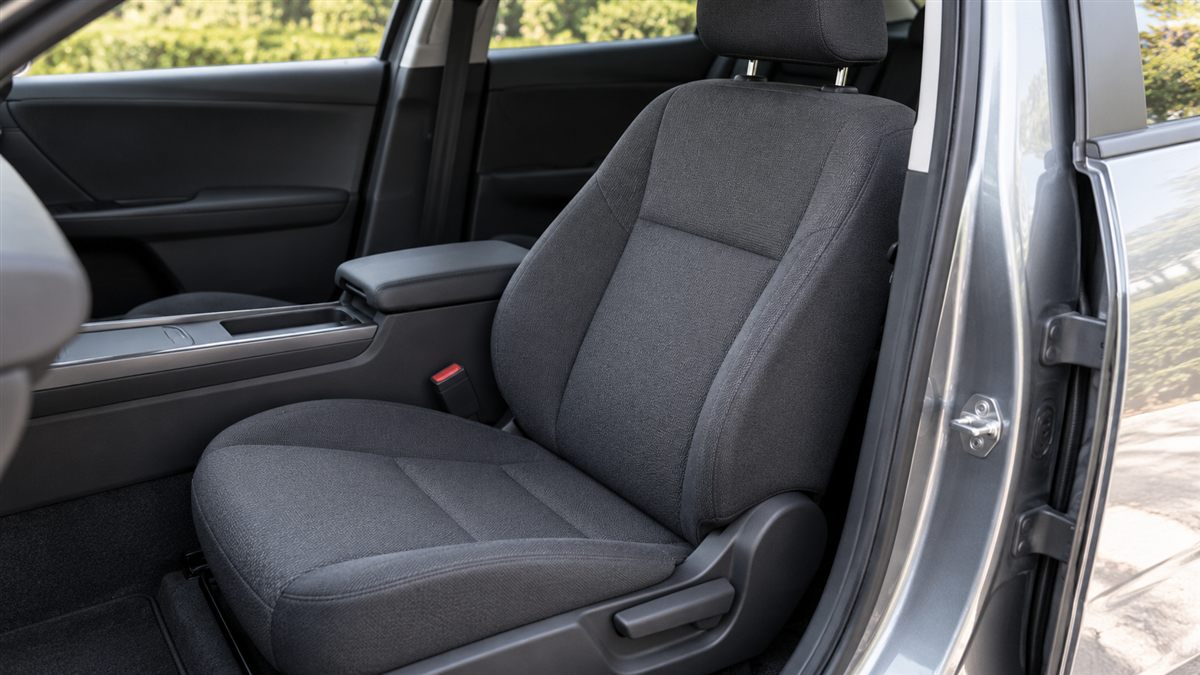
A comfortable driving position starts before you turn the key. Bring the seat to you instead of reaching your body towards the controls. Keep enough room to steer freely and operate every pedal without sliding forward. A seat that feels acceptable around town may need another check before a longer motorway or highway journey.
The goal is steady control with room for small, natural movements. Sitting rigidly upright or holding your shoulders back throughout the trip adds work. Adjustments must always respect the vehicle handbook, visibility, airbag clearance and seat belt fit. Make every change while safely parked.
Set the distance from the pedals first
Move the seat forward or back until you can press the pedals fully with your back against the seat. Your knee should retain some bend rather than locking at full reach. With an automatic, check comfortable access to both brake and accelerator. In a manual, include the full travel of the clutch.
Check where your thighs meet the cushion. The seat should support them without pressing hard behind the knees. A wallet or bulky object in a back pocket can make the sitting surface uneven. Remove it before adjusting the backrest. Keep loose items away from the footwell so they cannot obstruct a pedal.
Bring the backrest and steering wheel into reach
Choose a modest recline that lets the backrest support you while keeping the road clearly visible. Avoid reclining so far that you reach forward to the wheel. If your car allows steering adjustment, move the wheel rather than rounding your shoulders towards it. Keep your elbows softly bent and your shoulders settled.
Set the seat height so you can see instruments and traffic without craning your neck. Allow suitable head clearance. Adjust mirrors after finding your driving position, because mirrors set for a slumped seat can encourage you back into it. For everyday sitting principles, the desk sitting guide explains support and reach without a rigid posture rule.
Use built-in lumbar support carefully
If the seat has adjustable lumbar support, begin with a small amount. It should fill a comfortable part of the lower-back curve rather than push your whole trunk forward. Too much pressure can feel as tiring as too little support. Test each adjustment on a short journey before relying on it for hours.
An extra cushion changes your position relative to the belt and steering wheel. Use one only when it remains secure and is compatible with the vehicle's safety instructions. Thick cushions can reduce head clearance or make pedal reach awkward. The separate lumbar cushion guide covers fit, thickness and signs that extra support is unhelpful.
Run a parked-car checklist
- Press each pedal fully without lifting your hips away from the backrest.
- Turn the steering wheel through a comfortable range with your shoulders supported.
- Position the head restraint according to the vehicle handbook, close behind the head.
- Check that the lap belt sits low across the pelvis and the diagonal belt crosses the chest properly.
- Confirm clear mirrors, good visibility and adequate distance from the steering wheel.
- Secure bags and keep the passenger area free of objects that could move during braking.
This checklist is a starting point rather than a guarantee of comfort. Seat dimensions, leg length and existing symptoms differ. If a car never allows safe control and a tolerable sitting position together, ask the manufacturer or a qualified vehicle adaptation service about suitable options.
Plan stops as part of the journey
Choose stopping points before setting off so a break does not depend on finding somewhere suitable after stiffness begins. At a safe stop, get out carefully, walk a little and change position. You do not need deep stretches beside the road. Gentle movement is enough to interrupt the same sitting position.
Keep water, meals and rest in your travel plan. Fatigue affects driving safety as well as comfort, and opening a window does not replace rest. If discomfort distracts you, pull over safely. Never attempt stretches, massage, cushion adjustments or exercise while controlling a moving vehicle.
After the drive, take a short comfortable walk before moving directly into another long sitting task. The walking and back health article offers ways to make walking manageable. For trips involving several forms of transport, use the flight and train posture guide to plan the next stage.
Give passengers their own adjustments
Passengers can change position more freely, but their belt still needs to fit correctly. Keep feet on the floor rather than on the dashboard. Do not place cushions where they interfere with airbags or move a child out of the restraint appropriate for their age and size. Follow the vehicle and restraint manufacturers' instructions.
A passenger reading on a phone can bring it higher for a few minutes, then put it down and look ahead. Avoid staying twisted towards another passenger for the whole trip. Share conversation without holding a position that becomes uncomfortable. Extra legroom can help, but it does not remove the need to move during stops.
Notice symptoms that need more than a seat adjustment
Pain that repeatedly limits driving deserves assessment by a doctor or physiotherapist. New numbness, weakness or pain spreading down a leg should not be dismissed as a poorly fitted seat. Stop driving if symptoms affect safe pedal control. Seek emergency help for new bladder or bowel changes, loss of sensation around the saddle area, or rapidly developing leg weakness.
Keep a brief note of when discomfort starts, which controls are difficult to reach and what changes help. This gives a professional something concrete to review. Aim for a journey that allows safe control, comfortable support and planned movement rather than a single position you must hold perfectly.